




MUSCAT, JULY 7
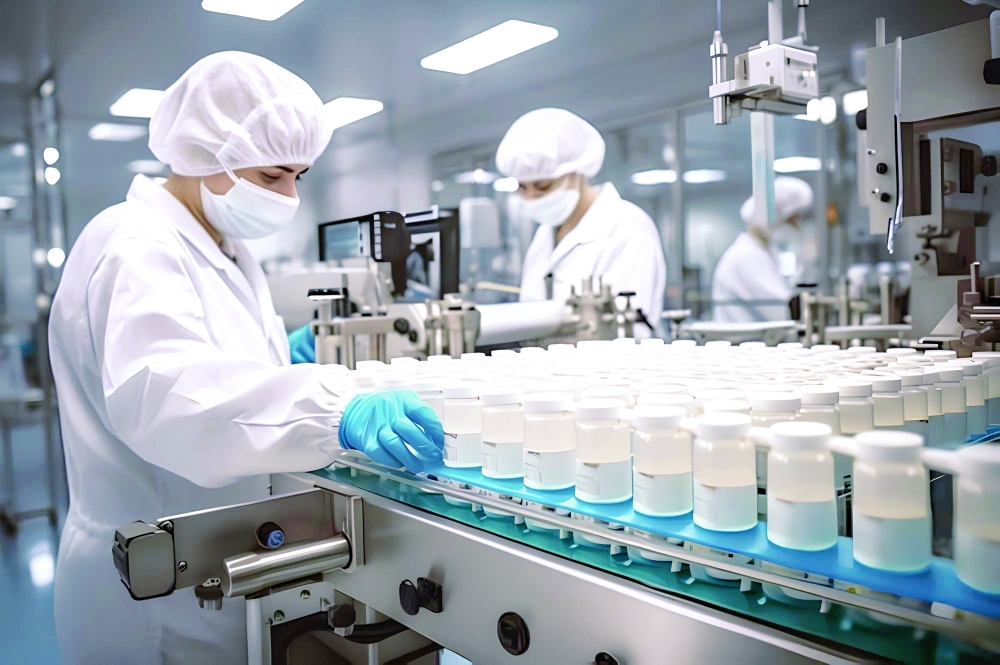
The Sultanate of Oman is positioning its special economic zones, free zones and industrial cities to capture a larger share of the fast-growing pharmaceuticals and medical devices industry, as the domestic pharma market is projected to reach $1.24 billion by 2031.
The market was valued at about $752.4 million in 2024 and is forecast to grow at a compound annual rate of 7.4 per cent. The figures were published in The Duqm Economist July magazine, citing data from the Public Authority for Special Economic Zones and Free Zones (OPAZ).
OPAZ said Oman offers investment opportunities across generic drug manufacturing, research laboratories, active pharmaceutical ingredient production, vaccines, biopharmaceuticals, medical equipment, digital health solutions, surgical instruments and smart health monitoring devices.
The push comes as Oman seeks to deepen industrial diversification, reduce import dependence and build higher-value manufacturing clusters linked to healthcare, logistics and advanced technologies.
Pharmaceutical imports rose from $565 million in 2021 to $670.3 million in 2023, an increase of 8.9 per cent, underlining rising domestic and regional demand.
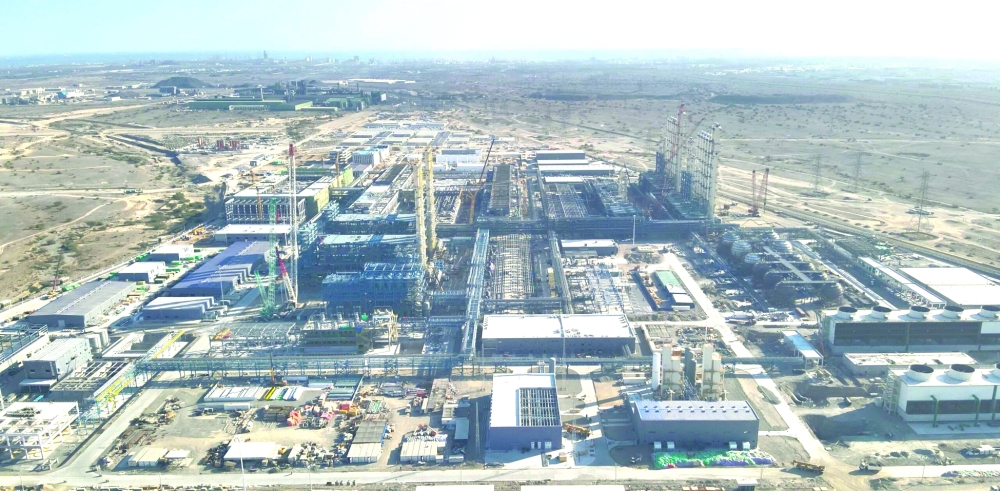
Around 11 major pharmaceutical projects and manufacturing facilities are currently operating across Oman’s special economic zones, free zones and industrial cities, according to OPAZ.
Salalah Free Zone has attracted pharmaceutical investments exceeding $600 million, including Philex Pharmaceuticals, Dhofar Pharmaceutical Industries Company, the International Pharmaceutical Complex and Oman Pharmaceutical Products Company.
Khazaen Economic City hosts investments estimated at about $600 million, including the Integrated Pharmaceutical Industries Complex, the Veterinary Vaccines Factory, Opal Bio Pharma and Pharma City.
Madayn has attracted more than $100 million through specialised projects including Menagen Pharmaceutical Industries, Global Ambassadors for Health, Al Farabi Veterinary and Agricultural Pharmaceuticals, and National Pharmaceutical Industries.
Sohar Freezone is also strengthening its pharmaceutical base through projects including Julphar Gulf Pharmaceutical Industries, Oman Pharmaceutical Products Company and Penicillin General Integrated Industrial Company.
OPAZ said the sector benefits from local value drivers, including gypsum for pharmaceutical excipients, water desalination and treatment, fish oils and squalene, limestone and dolomite, as well as the penicillin manufacturing project in Sohar.
The medical devices segment also offers scope for investment in medical polymers, rubber and latex, medical textiles and adhesives.
National Pharmaceutical Industries exports to more than 50 countries, while Dhofar Pharmaceutical Industries opened a new manufacturing facility in Raysut in 2024.
Philex Pharmaceuticals is one of the largest projects in the sector, with an investment of $150 million and annual production capacity of one billion tablets and capsules.
OPAZ said incentives include tax exemptions of up to 30 years, customs exemptions on raw materials and equipment, 100 per cent foreign ownership, no minimum capital requirement, long-term residency visas for investors and usufruct agreements of up to 50 years, renewable.
Sector-specific incentives also include advance purchase agreements covering 10 to 20 per cent of production for several companies, as well as a 10 per cent price preference for selected national products in government tenders.
Globally, the pharmaceutical market is estimated at about $1.2 trillion in 2025. North America leads with $691.5 billion, followed by Asia at $249.6 billion and Europe at $205.2 billion. GCC markets account for about $9.9 billion.
Oman Observer is now on the WhatsApp channel. Click here